Usa Flag Scuba Diving Put to the Real Embroidery Test
The First Time I Saw It, I Knew Where It Belonged
Some designs grab you instantly. Usa Flag Scuba Diving did exactly that the moment I pulled it up on screen. It was not trying too hard. It was not shouting. It just sat there with that quiet, confident blend of patriotism and underwater adventure, and I immediately thought of a customer named Dave who runs a small dive shop near the Gulf Coast. He had been asking me for weeks about something custom for his crew's season-end gifts. This design answered that question before I even finished reading the description.
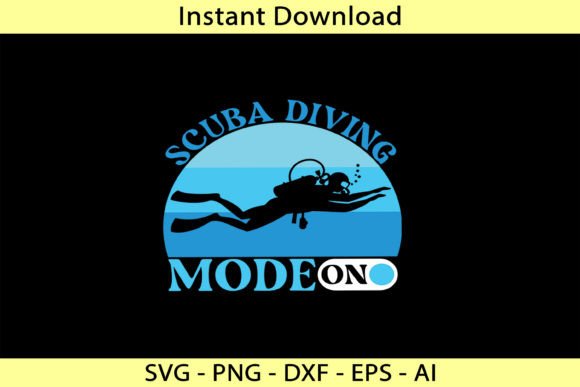
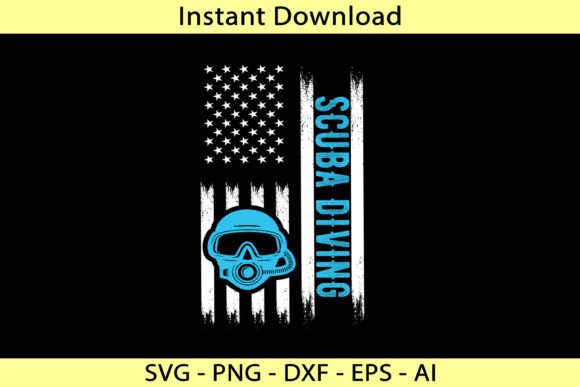
The shape carries a natural balance. The flag element anchors the patriotic feel without overpowering the scuba silhouette, and the diving imagery gives it motion. It reads as adventurous but not overly aggressive, which matters when you are thinking about who will actually wear or use the finished product. A design like this does not just decorate fabric. It tells a story about the person who chose it, and that story feels genuine, not forced.
Where This Design Truly Shines in Craft Work
I tested the artwork mentally against a dozen different surfaces before I even transferred it to my embroidery software. That is a habit I picked up after years of ruined blanks. Usa Flag Scuba Diving naturally fits projects where the wearer or recipient has a connection to the ocean, military service, patriotic holidays, or dive culture. Think custom apparel for Memorial Day beach events. Think embroidered patches for dive club members. Think personalized gifts for someone who just earned a scuba certification and cannot stop talking about it.
The theme also opens up commercial possibilities for small shops. I could picture this on a crisp white t-shirt sold at a coastal boutique. I could see it as a vinyl decal on a car window. I imagined it printed on a sturdy canvas tote bag that someone carries to the marina every weekend. The versatility surprised me, especially considering how specific the subject matter appears at first glance.
Translating the Visual Personality Into Stitches
Here is where the designer brain has to take over from the excited creative brain. Not every graphic that looks beautiful on screen translates perfectly to thread. With Usa Flag Scuba Diving, the layout works in your favor. The composition is not overly intricate in the wrong places. The main shapes are distinct enough that satin stitch borders can define them cleanly. Fill stitch areas look manageable. Running stitch details, like what would likely appear in the flag stripes or subtle equipment lines, should hold up nicely without turning into a dense, bulletproof mass of thread that puckers lightweight fabric.
I paid close attention to the relationship between the flag element and the diving figure. If that connection point gets too dense in digitizing, you end up with a stiff patch of stitches that does not drape well on wearable items. But a skilled digitizer, working from a clean SVG like this one, can control those transitions beautifully. The print-ready file gives you the clarity you need to make those decisions without guessing.
Testing It Against Real Fabric, Real Pressure
When I evaluate any machine embroidery design for my own craft business, I run through a mental checklist before the first stitch ever lands. For Usa Flag Scuba Diving, here is what went through my head.
First, fabric choice. This design suits medium-weight cotton, canvas, denim, and structured blends exceptionally well. Thin or stretchy fabrics demand extra care. If you hoop a flimsy jersey knit and expect this design to behave, you will learn a hard lesson about stabilizer within the first thousand stitches. Use a quality cutaway stabilizer on stretch fabrics, and test on scrap first. Always test on scrap first.
Second, thread colors. The flag portion naturally calls for red, white, and blue, but do not assume the screen colors will match your thread spools. I always check my physical thread against the design preview under decent lighting. Navy thread can look nearly black on dark fabric. Bright red can overpower softer blues. I recommend stitching a small color swatch before committing to the full run.
Third, size sensitivity. You need to confirm the design fits your hoop before anything else happens. I cannot tell you the exact stitch count or maximum hoop requirement from the product listing alone, and I will not pretend to. What I can tell you is that you should measure twice before you hoop once. Shrinking a design too far below its intended size can close up small details and turn crisp lines into muddy blobs. Enlarging it too far can create awkward stitch gaps. Know your hoop limits and respect them.
A Real Project Walkthrough Nobody Talks About
Let me share something personal. Last month, I was preparing a batch of embroidered pillow covers for a small coastal rental property. The owner wanted each pillow to feel like a keepsake, something guests would remember. I had been searching for a design that mixed patriotism with a love for the water without feeling like a generic souvenir shop graphic. When I found Usa Flag Scuba Diving, I knew I had the right piece. I stitched it onto a natural linen-blend pillow cover, thread colors slightly muted to match the beach house palette. The result stopped me in my tracks. The design held its clarity. The details breathed. The pillow felt intentional, not decorated.
That project reminded me why I am picky about source files. A clean SVG makes digitizing smoother. A messy one wastes hours of your life. Based on what I worked with here, the file structure appeared solid and ready for editing if you want to personalize it further, adjust colors, or combine it with text for a name-drop product.
Where to Slow Down and Double-Check
No design works everywhere, and honesty matters more than enthusiasm when other makers are trusting your judgment. Usa Flag Scuba Diving has a few natural caution zones. Small hoop sizes are the biggest concern. If you attempt this on a tiny patch meant for a hat brim, you risk losing the flag detail entirely. The fine elements inside the diving silhouette also deserve respect. Test them at your intended size on the actual fabric you plan to sell. Do not assume they will stitch cleanly just because they looked fine on your computer monitor at three hundred percent zoom.
Dark fabrics present another consideration. The darker portions of the design can vanish against a navy or black background. You may need to adjust thread colors, add a light underlay, or select a fabric shade that creates deliberate contrast. I have also learned the hard way that dense stitch areas combined with textured or napped fabrics, like fleece or terry cloth, can swallow detail and frustrate even experienced embroiderers. A smooth, stable surface helps this design perform at its best.
Curved surfaces, especially structured caps, require careful hooping and possibly a design size adjustment. The composition of Usa Flag Scuba Diving leans more naturally toward flat or gently curved applications. Tote bags, sweatshirt chest placements, jacket backs, apron bibs, and pillow fronts all make sense. A cap crown could work with the right hoop and stabilizer strategy, but test carefully.
What Customers Actually Notice and Why It Matters
I have sold enough handmade products to know that customers notice details they cannot name. They might not know what satin stitch means, but they can feel when an embroidered patch looks crisp versus cheap. They recognize when thread colors harmonize rather than clash. They pick up on subtle professionalism, even if they never say it out loud. Usa Flag Scuba Diving carries that professional quality in its layout. The recognizable flag imagery builds instant trust. The scuba element adds personality without becoming cartoonish. Together, they create a product that justifies a higher price point because it looks intentional and well-crafted.
For Etsy sellers and small shop owners, buyer engagement often starts with a strong visual hook. A design that blends two beloved themes, country and ocean, catches the eye faster than a single-note graphic. I can see this design performing well in listing thumbnails, especially on mockup photos that show the embroidery on a natural-textured background. Giftability is high. Recognition is immediate. Brand consistency benefits when you can carry a cohesive theme across multiple products, and this file gives you the freedom to print, stitch, or press it onto nearly anything.
Practical Embroidery Designer Notes Worth Keeping Handy
Over the years, I have built a small collection of hard-won reminders that save me from ruining good blanks. Here are the ones I kept in mind while evaluating this design.
- Test on scrap fabric first. Never skip this. Even a design that looks flawless on screen can surprise you under the needle.
- Check thread color contrast against your chosen fabric. What looks vibrant on white canvas can feel dull on oatmeal linen.
- Review stitch density expectations before digitizing. An SVG is a starting point, not a finished embroidery file.
- Confirm hoop size compatibility. Measure the design dimensions and compare them to your machine's capabilities.
- Inspect small details at realistic viewing distance. Nobody examines embroidery with a magnifying glass.
- Test the design in a black-and-white mockup to evaluate shape readability without color distraction.
- Use proper stabilizer for your fabric type. Cutaway for knits. Tear-away for wovens. Self-adhesive for tricky placements.
- Check licensing terms before selling finished products or digital derivatives. Protect your business.
- Consider how the design ages through washing. Dense areas can stiffen. Lightweight areas can fray if not properly secured.
- Document your thread choices and settings. Future you will thank present you when a reorder comes in.
The Commercial Angle for Small Business Owners
If you sell finished embroidery pieces, custom apparel, or personalized gifts, Usa Flag Scuba Diving earns its place in your design library. The theme crosses multiple profitable niches. Patriotic holidays. Diving and snorkeling communities. Coastal tourism. Military family gifts. Summer event merchandise. You can offer it as a standard catalog item or use it as a base for personalized variations with names, dates, or short messages.
For digital product sellers, the print-ready file format opens doors beyond embroidery. You can create printable mockups, sublimation transfers, screen prints, and sticker designs without additional conversion headaches. The same design that stitches beautifully onto a sweatshirt can also work on a coffee mug, a phone case, or a greeting card. That kind of cross-product flexibility stretches your creative investment further than a single-use file ever could.
Final Thoughts From a Designer Who Actually Stitches
I do not recommend designs lightly. When I say Usa Flag Scuba Diving deserves a spot in your workflow, I mean it has passed the mental tests I apply to every graphic before I trust it with my reputation. It will not solve every project challenge. No design does. But it delivers a clean, versatile, emotionally resonant starting point that producers and crafters can shape into something customers genuinely want.
Run your tests. Respect your equipment. Know your fabric. And then go make something that makes someone feel seen. That is what this design is for.