Tailgating Queen: What This Design Really Brings to Your Embroidery Projects
Opening a new design file always comes with that quick moment of assessment. You look at the shapes, the flow, the personality of the artwork, and you start mentally placing it on products before you even thread a needle. That is exactly what happened when I pulled up Tailgating Queen. It has a confident energy that makes sense for the theme it carries, and my first thought was not about whether it works, but where it would shine hardest.
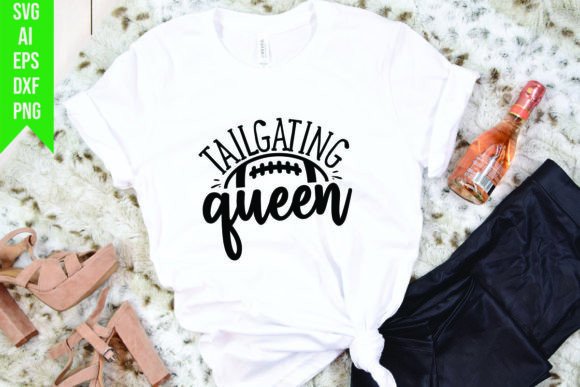
What stood out immediately was how the composition holds its own without feeling busy. Some themed designs try too hard and end up visually cluttered after stitching. Tailgating Queen keeps the focal point clear and the supporting details restrained enough that the overall shape reads well even from a few feet away. That matters more than people realize. In embroidery, a design that reads cleanly at arm's length will always outperform one that needs a close-up squint.
First Impression and the Mood It Creates
There is a playful, celebratory tone in Tailgating Queen that feels approachable rather than aggressive. It leans into personality without being overly loud, which makes it versatile across different audiences. I could see this landing equally well on a gift for a sports fan, a casual weekend shirt, or a boutique item aimed at someone who loves game day culture with a touch of humor and pride.
The lettering style and graphic arrangement suggest movement and attitude without sacrificing legibility. That balance is crucial. When text and imagery compete, embroidery projects suffer. Here, the hierarchy feels intentional. Your eye lands where it should, then explores the smaller accents naturally.
The Real Test: Imagining It Stitched on an Actual Product
I always run a mental simulation before committing thread and stabilizer. For Tailgating Queen, my immediate instinct pointed toward a structured canvas tote bag as the ideal canvas. Picture a natural cotton tote with a medium-weight interfacing, hooped carefully, with the design centered about four inches below the top edge. The graphic personality would pop against the woven texture, and the tote category itself fits the tailgating theme perfectly. Someone carrying that bag into a stadium parking lot or a backyard party would get immediate nods of recognition.
A sweatshirt was my second placement test in this mental exercise. A crewneck in heather gray, with the design positioned across the chest, has that effortless casual look that boutique buyers gravitate toward. The weight of a sweatshirt handles stitch density well, and the soft texture underneath gives a nice contrast to the crispness of a well-digitized embroidery file.
I also considered caps, though that requires more caution. Curved surfaces and seam lines can distort lettering and finer graphic details. If you plan to use Tailgating Queen on a cap, test placement carefully on a scrap cap panel first. The design might need slight resizing or repositioning so the key elements do not get lost near the brim or center seam.
Where the Design Performs Best
Based on the structure and visual weight of Tailgating Queen, here are the product categories where I feel most confident recommending it without hesitation:
- Custom apparel like sweatshirts, hoodies, and relaxed-fit t-shirts
- Sturdy tote bags and canvas shopping bags
- Aprons for game day cooking or grilling gifts
- Pillow covers as part of a seasonal or fan decor set
- Kitchen towels with a decorative accent for themed gatherings
- Blankets and throws used in stadium seating or outdoor events
- Embroidered patches applied to jackets, backpacks, or seat cushions
For small business owners and Etsy sellers, Tailgating Queen offers solid listing potential in the personalized gift category. A customer ordering a customized tote with this design and a name or date added alongside it would receive a product that feels intentional and giftable. The theme is specific enough to attract a targeted buyer, yet broad enough that you are not limiting yourself to a tiny niche.
Thread Color Choices and Their Impact
One of the strengths mentioned in the product details is color changeability across a wide range of editable files. That flexibility is not just a technical convenience. It directly affects how the finished embroidery looks on different fabric backgrounds. A design that uses bold contrast against the fabric reads better, photographs better, and sells better.
I would test Tailgating Queen in a few thread color combinations before listing it in a shop. Try a high-contrast version on dark fabric, perhaps a bright gold or white on navy. Then run a softer version, like a muted coral or dusty blue on natural linen, to see how the mood changes. The same design can feel energetic and sporty in one palette and sweetly boutique in another. That range gives you multiple product angles from a single design asset.
Practical Embroidery Notes Before You Stitch
No design review is complete without the practical checklist. Here is what I recommend before you use Tailgating Queen in a finished product intended for sale or gifting:
- Test on scrap fabric first. Always. Do not let your first stitch-out be on a customer's order. Use a fabric similar to your final product and evaluate every section.
- Check thread color contrast. What looks vibrant on screen can turn muddy in thread. Test your chosen colors under natural and indoor lighting.
- Review stitch density. Look for areas that feel overly stiff or puckered. A dense fill stitch on lightweight fabric without proper stabilizer will cause problems.
- Confirm hoop size compatibility. Know the exact dimensions of the stitched area and compare them to your available hoops before starting.
- Inspect small details and lettering. Tiny decorative elements or thin lettering strokes can close up if the stitch density is too high or if your fabric has nap.
- Test on both light and dark backgrounds. Dark fabric reveals gaps more easily. Light fabric can make pale thread colors disappear. Run both versions if you plan to offer color variants.
- Choose the right stabilizer. For tote bags, a cutaway stabilizer adds long-term durability. For sweatshirts, consider a medium cutaway with a water-soluble topper for crisp edges on textured fleece.
- Watch fabric stretch and grain. Knits behave differently than wovens. A design that stitches beautifully on a woven tote may shift slightly on a stretchy t-shirt. Hooping technique and stabilizer choice make all the difference here.
What Makes Buyers Notice This Design
When I evaluate a design from the perspective of someone selling finished products, I ask one question repeatedly: would a customer stop scrolling? Tailgating Queen has the kind of confident presence that catches attention in a crowded marketplace. The theme taps into something social and fun, and products featuring this design feel like they belong at gatherings, celebrations, and casual outings.
Customer trust also ties directly to presentation. Using the high-quality mockups included in the product package elevates your listings immediately. A well-lit mockup showing Tailgating Queen on a clean sweatshirt or structured tote helps buyers visualize ownership. That emotional bridge between seeing and wanting is what turns a browser into a buyer. The transparent background PNG files and high-resolution JPGs make it easy to create consistent, professional-looking previews across your shop.
The Editable File Advantage for Serious Sellers
Having access to AI, EPS, SVG, DXF, and PNG formats in one package is genuinely useful for anyone operating across multiple production methods. Maybe you embroider the design on totes and sweatshirts, but you also print it on heat transfer vinyl for quick custom t-shirt orders. Maybe a customer requests a slight color adjustment before you stitch their item. The editable files allow that without a time-consuming back-and-forth with a third-party designer.
For digital product sellers, the variety of included file types broadens your licensing potential. You can offer the artwork in different formats to different buyer segments, keeping your product line flexible. Just make sure you review any licensing terms that come with the purchase before reselling the digital files themselves. Your use for finished physical products and your use as a redistributable digital asset may have different rules.
Where to Be More Careful
I would approach small hoop sizes with realistic expectations. If the design contains text and graphic elements that already sit at a certain scale, shrinking it too far could compromise legibility. Test the smallest hoop version you plan to offer and check every letter carefully. If any strokes fill in or blur together, the size is too small for that particular fabric and thread combination.
Thin or stretchy fabrics also deserve extra attention. A lightweight rayon jersey, for example, might not support a dense design without puckering, even with excellent stabilizer. Thicker, more stable fabrics give you a cleaner result and a longer-lasting finished product. When in doubt, choose the substrate that best supports the design rather than forcing the design onto a substrate it cannot handle.
Who Should Consider Adding This to Their Collection
Tailgating Queen fits naturally into the workflow of several types of makers and sellers. Embroidery designers looking to expand their themed offerings will find it slots neatly into a sports and celebration category. Craft business owners who sell at weekend markets and festivals can turn this design into a reliable product line, especially during game season and holiday gifting windows.
Handmade shop owners focused on personalized gifts can use the design as a base and add names, dates, or short messages for a custom touch. Apparel decorators who handle small-batch orders for local teams, clubs, or family reunions will appreciate the balance of personality and broad appeal. Hobbyists who simply enjoy creating unique, giftable items for friends and family will find the design satisfying to stitch and fun to share.
Final Practical Takeaways
After thoroughly reviewing the look, the potential applications, and the practical embroidery considerations, I see Tailgating Queen as a genuine workhorse design for the right product lineup. It does not try to do too much, and that restraint actually makes it more useful across multiple product types. The theme is clear, the composition is clean, and the included file variety supports both embroidery digitizing and complementary production methods like printable mockups and screen-printed accents.
My strongest recommendation is to invest time in testing. Run a stitch-out on your most popular fabric. Adjust thread colors until the contrast feels just right. Photograph the finished product on a mockup that matches your brand style. Then pay attention to how customers respond. I suspect Tailgating Queen will earn its place in many product rotations, especially for makers who understand that a well-executed themed design paired with a quality blank and careful stitching creates something people genuinely want to own.
When a design makes the mental leap from screen to stitched product this smoothly, it is worth taking seriously. Tailgating Queen passes that test. Now it comes down to your thread choices, your stabilizer selection, and your eye for where it belongs in your shop.