Groovy Witch Halloween Design for Stitching Projects
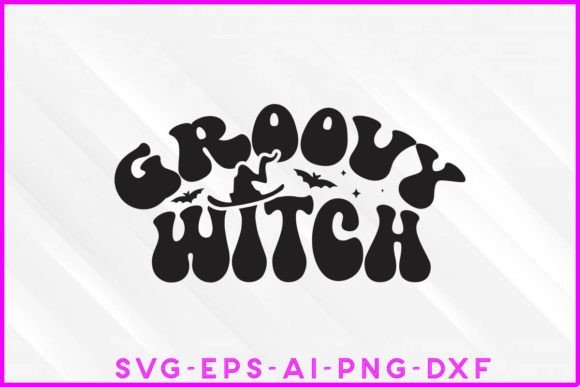
Unzipping a fresh digital file always feels like a small ceremony. Today, that file is the Groovy Witch Halloween Design Spooky Tee. It is a graphic bundled under T‑Shirt Designs, but my eyes immediately scan it the way I would any artwork headed for needle and thread. The listing calls it a retro mood with a groovy edge, and that is exactly what hits first: a playful, slightly nostalgic witch silhouette that seems pulled from a vintage television bumper but softened enough to feel handmade. The lines are organic, the shapes bold, and the overall composition sits in that sweet spot between spooky and charming. If you stitch apparel, you already know that balance matters. Too scary shrinks your audience. Too cute loses the Halloween confidence. This one leans friendly‑creepy, which opens the door to kids’ tees, boutique hoodies, thoughtfully styled totes, and those impulse‑buy pillows that do so well in craft fair tents.
First Impression: A Spooky Silhouette That Feels Instantly Stitchable
What I appreciate right away is the visual weight of the design. The witch has a smooth, groovy posture — think curved brim of the hat, fluid sleeves, a gently arced broom — and the whole thing reads clearly even from a slight distance. When you are squinting at a arms‑length mockup on a sweatshirt, that readability is everything. The design avoids fussy miniature details that vanish under thread. Instead it leans on confident outlines and generous negative space. That is a practical gift for any embroidery machine owner. Large filled areas can be converted into satin stitch or light fill stitch without becoming bulletproof patches of density. The curves feel intentional, not accidentally lumpy, so a digitizer can trace them cleanly. From a pure embroidery perspective, this is a friendly canvas. It would probably digitize with fewer trims and color changes than many detail‑heavy seasonal files.
Still, my mind immediately goes to a real‑life scenario. I am picturing a small shop owner prepping for an October market. She has ordered a stack of natural canvas tote bags, the kind with a slightly slubby texture that takes thread beautifully. She opens the Groovy Witch Halloween Design Spooky Tee file, scales it to about five inches wide, and places it on the front panel of the bag. In my head, that bag already looks like something customers would pick up, smile at, and add to their arm without much thought. The witch has just enough retro quirk to feel curated, like a thrift store find that never existed. For an embroidered tote, a cap, or even a kitchen towel set sold in pairs, this design would do heavy lifting because it gives the impression of a considered collection, not a random seasonal graphic.
How The Shape And Mood Translate To Thread
When a design depends on a strong silhouette, thread choice becomes storytelling. The groovy witch invites a slightly unconventional palette. Instead of standard orange and black, I would probably test muted mustard, dusty plum, or even a heathered charcoal on a natural cotton background. Because the artwork calls itself retro, leaning into that era’s palette makes sense: avocado green, rust, warm beige, faded violet. If you are building a cohesive product line for a craft business, those colors feel elevated. They also hide tiny registration shifts better than pure black and stark white. On a sweatshirt, an embroidery version of this witch using a tonal thread — say, dark olive on a cream fleece — would feel expensive and understated. That is exactly how you move a Halloween item from novelty to something a customer will wear deep into November.
However, the design is not embroidery‑native as far as I can tell. The product category says Graphics, and the description mentions printing on mugs, pillows, and tees. That is fine, but anyone planning to use the Groovy Witch Halloween Design Spooky Tee as a machine embroidery design will need to digitize it first. The listing does not provide stitch count, hoop size suggestions, density settings, or file formats like .pes or .dst. So you are buying artwork, not an embroidery file. That does not lower its value; it just means you must budget time for digitizing and testing. Experienced stitchers already know this, but if you are newer to custom apparel, it is worth saying clearly. Never assume a T‑shirt graphic is ready to load onto your machine. Test the digitized version on scrap fabric — ideally the same fabric and stabilizer you intend to use for the finished product — and watch how the satin stitch behaves around the witch’s fingertips or the broom bristles.
Where This Design Feels At Home: Products And Surfaces
Embroidery can go anywhere, but design personality always picks favorites. The groovy witch feels most natural on flat or slightly structured surfaces. Think front panels of crewneck sweatshirts, back yokes of denim jackets, center of canvas totes, or the face of a linen pillow cover. I would not immediately push it onto heavily curved caps unless you are comfortable adjusting the digitizing to compensate for distortion. The rounded brim of the witch’s hat, while lovely, could warp if stretched over a cap seam without careful compensation. Similarly, extremely stretchy fabrics — like thin rayon jerseys — will fight a dense fill unless you hoop meticulously and use a quality cutaway stabilizer. For baby clothes, where parents want softness, I would digitize this more as a light running stitch outline with minimal fill, preserving the groovy outline without stiffening the onesie. That approach would stretch the design’s usability across a baby bodysuit, a toddler tee, and even a soft security blanket corner.
On dark fabric, the witch silhouette offers a fun opportunity. If you invert the concept — stitching negative space around the design instead of filling the witch — you can create an almost carved look on a black tote bag. A charcoal fill with the witch left as the fabric color, outlined in a subtle gold, feels like a boutique Halloween staple. That kind of experimentation is what keeps a handmade product line from looking like every other seller’s offering. But it also means you must test on the exact fabric color you plan to sell. Thread color and fabric color interact in ways that screen previews rarely reveal. The design might look crisp on a white mockup and then vanish on oatmeal linen. Before committing to a large batch of embroidered goods, stitch one sample, wash it twice, and see if the groovy details hold up.
Customer Perception And Business Practicality
If you sell on Etsy, at local markets, or through your own shop website, you already know that buyers often decide in seconds. The Groovy Witch Halloween Design Spooky Tee has an instant‑read quality. Its retro vibe taps into the same visual nostalgia that makes vintage‑inspired holiday decor so popular right now. A customer scrolling past an embroidered sweatshirt with this witch on the chest will likely pause — not because it screams Halloween, but because it whispers it in a clever, understated way. That is the kind of product that generates comments like “where did you get that?” which is free marketing for your handmade business. It also works as a personalized gift. A friend who loves mid‑century design would genuinely enjoy a kitchen towel set featuring this witch in muted orange and brown. A new mom with a spooky‑season baby might cherish a custom onesie.
Still, practical repetition matters. If you are stitching twenty totes for a craft fair, you want a design that runs cleanly and quickly. Digitize it with a reasonable stitch count — not an absurdly dense fill — so each tote finishes in under thirty minutes. Customers care about the look, not the stitch count. A well‑digitized version of this groovy witch could probably run efficiently with just two or three colors and minimal trims. That translates to less thread waste, less wear on your machine, and more profit per hour. But again, the digitizer in you must confirm the numbers. Test on scrap, check pull compensation, and make sure the hat’s curved tip does not lift or gap on a laundered garment. There is nothing worse than selling a product that puckers after one wash.
Real‑Talk Embroidery Notes From My Test Mindset
Every time I evaluate a design before letting it near a client order, I work through the same mental checklist. With the Groovy Witch Halloween Design Spooky Tee, here is what I would actually do. I would print the artwork on paper at the exact stitch size, hold it up to a tote bag, and stare at it from across the room. Does the witch still read? Yes. Then I would flip it horizontally to see if any directional imbalance bothers me — the asymmetrical broom might lean one way, but that feels intentional and adds charm. I would test on a dark background and a light background, because what works on cream canvas might muddy on heather grey. I would also consider whether the design needs to be outlined fully or if some edges can be left open for a more sketchy, artistic stitch style. The groovy nature of the lines suggests a slightly relaxed registration would not ruin the mood; in fact, a tiny bit of organic offset could actually enhance the retro feel.
Stabilizer choice will absolutely make or break this design on soft fabrics. On a cotton tote, a medium‑weight cutaway stabilizer works wonders. On a plush fleece hoodie, I might add a water‑soluble topper to keep the stitch definition crisp because fuzzy fabric loves to swallow thin thread details. For a patch application, I would probably use a heavy fill on felt and trim the patch with a tight satin stitch border, making the witch pop against a jean jacket or backpack. The design lends itself well to patches because the silhouette is self‑contained and doesn’t require a background fill. Imagine a three‑inch embroidered patch in olive, cream, and rust — instantly giftable, easily sold in a set alongside a ghost or a pumpkin.
Licensing, Commercial Use, And Final Checks
Since this is a digital graphic purchased from a store, you must triple‑check what license you are buying. The description says you can print it on various items, but that does not automatically mean you can digitize it, stitch it on products, and resell those products indefinitely. Every store has its own terms. Some graphic designers welcome embroidery conversion for small shops. Others restrict it to personal use only. If you plan to offer a sweatshirt embroidered with this witch in your online boutique, reach out to the seller and get written clarity. It protects your business and respects the original artist’s work. The same caution applies if you intend to create embroidery file packs or offer digitized versions for sale. Unless you have explicit commercial embroidery rights, do not redistribute the design in any stitch format.
As for quick wins, the Groovy Witch Halloween Design Spooky Tee would shine in mockup presentations. Even before you digitize, you can use the flat graphic to create product previews for seasonal presales. Place the artwork on a pillow mockup, a tote bag image, or a cozy sweater template, and start collecting pre‑orders to gauge interest. That way you invest digitizing time and thread costs only on products that already have buyers. It is a low‑risk way to test a new design asset in your craft business. From a stitching perspective, I would feel confident using this witch on aprons, tea towels, zipper pouches, or even as a framed hoop art piece for seasonal home decor. The retro groovy personality holds up across many surfaces as long as you respect the fabric, hoop size, and stabilizer needs.
At the end of the test, I keep coming back to the same thought: this is a design that understands restraint. It does not shout, and that quiet confidence is exactly what elevated handmade products need. Whether it becomes the front‑and‑center focus on a boutique hoodie or a subtle detail on a baby’s first Halloween onesie, the Groovy Witch Halloween Design Spooky Tee earns its place in a maker’s library. Just remember that the file is a starting point, not a finished embroidery file. Digitize thoughtfully, stitch samples patiently, and let the retro magic do the rest.