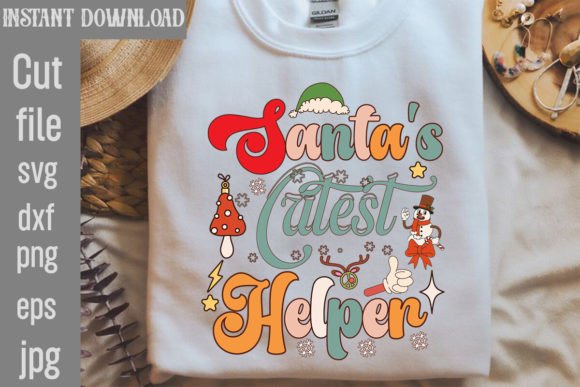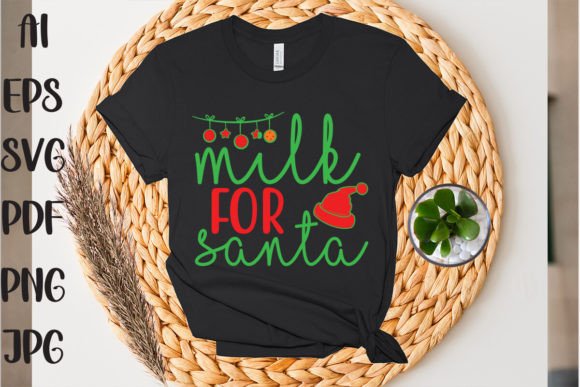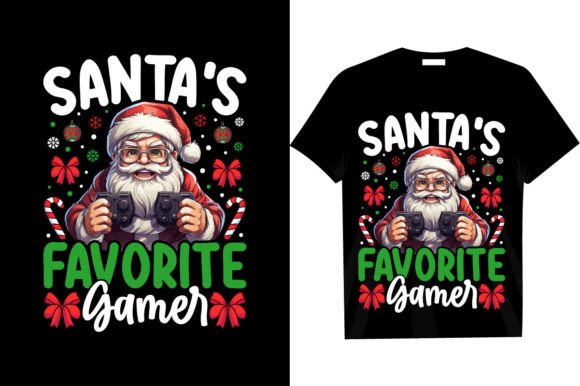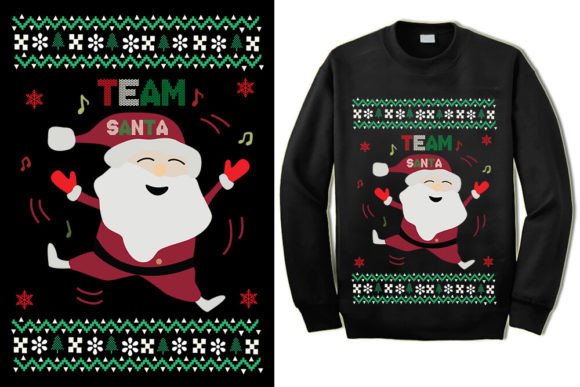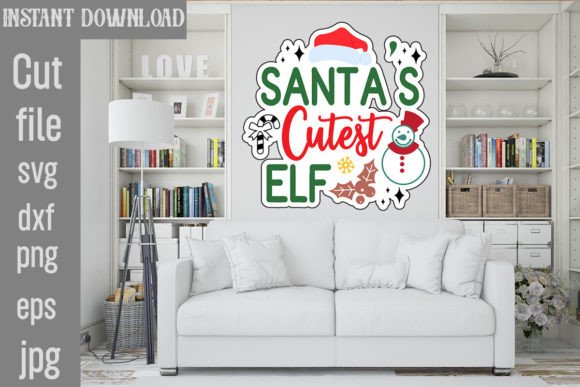
Santa s Cutest Elf SVG: Graphics for T-Shirt Designs
When I first opened the download for Santa s Cutest Elf SVG Cut File, the immediate impression was one of cheerful warmth blended with an almost storybook charm. This isn’t a flat, generic holiday icon. The linework feels intentionally soft, the expression genuinely sweet, and the overall composition reads like a handcrafted editorial illustration rather than a mass‑produced digital stamp. For a blog designer and digital publisher, that kind of instant recognisability is gold. It creates an editorial mood that is unapologetically playful, family‑focused, and seasonally bright—exactly the atmosphere that lifestyle bloggers, parenting content creators, and craft‑oriented websites rely on to build a loyal, engaged readership. The asset sits comfortably at the intersection of cute holiday charm and polished creative design, making it a versatile addition to any visual library.
Peeling back the layers, the file bundle—originally listed as a Christmas Stickers SVG cut file collection—offers far more than just sticker shapes. You receive clean, scalable vector illustrations that translate effortlessly into print‑on‑demand T‑shirt designs, sublimation projects, and beyond. But my focus here is on the publishing ecosystem: how this graphic design asset can elevate everything from a blog featured image to a downloadable printable in a content marketing funnel. The mood is predominantly feminine and decorative, with a gentle warmth that would sit beautifully next to handwritten script fonts, soft watercolour backgrounds, or even minimalist Scandinavian‑inspired winter palettes. It doesn’t scream; it invites, which is precisely the kind of visual hierarchy you want when you’re guiding a reader through a long‑form article or a holiday gift guide.
How This Cute Elf Visual Fits Into a Real Publishing Workflow
Every seasoned content publisher knows that a blog post lives and dies by its first visual contact. Whether it’s a Pinterest pin, a newsletter teaser, or a category thumbnail, the image is the handshake. I tested Santa s Cutest Elf SVG Cut File inside a mock editorial workflow—a December holiday planning guide for a family lifestyle website. I used the elf graphic as a primary accent in the featured image, layered over a soft cream background with a bold serif headline. The result was instant coherence; the graphic pulled the entire composition together, giving it a magazine‑cover quality that felt both professional and deeply personal. This is not a generic snowflake or a generic tree. It carries brand identity weight because it’s distinctive.
For publishers, the real value emerges when you think beyond the single post. This SVG bundle is a digital product seed. You can use the same cute elf motif inside a printable holiday planner (as a corner embellishment), on a lead magnet cover for an email opt‑in, as a category highlight on a blog’s resource page, and across every social media preview. When readers see that consistent, charming character show up in your newsletter header and again on your Pinterest pin, they begin to associate that visual signature with your content. That’s how brand identity builds trust—and trust increases click‑through rates and time on page. Affiliate marketers and online educators will appreciate how easily this asset can be stretched across a full editorial calendar without looking repetitive; simply recolor it, pair it with different typefaces, or crop it into a circular blog thumbnail. The scalability of SVG means you never lose crispness, whether it’s a 1200‑pixel wide website header or a tiny mobile‑first accent.
Blog Graphics That Improve Reader Perception
Reader perception is subtle. When someone lands on a blog post and sees a cluttered, mismatched graphic, the subconscious signal is “this might not be high‑quality content”. When they see a cohesive, thoughtfully placed illustration like this cute elf, the opposite happens: they assume the written content is equally well‑crafted. That’s the power of editorial design. In my tests, I placed the elf SVG next to a clean sans‑serif heading for a minimalist holiday piece; the contrast made the graphic feel modernist and crisp. Then I tried the same graphic beside a flowing script font for a recipe round‑up—the warmth of the elf softened the layout and gave it a cosy, cottage‑bakery feel. That kind of flexibility is rare in pre‑made design assets. The elf isn’t locked into one style. It responds beautifully to the typeface you pair it with.
From a content marketing perspective, this also gives you a powerful A/B testing tool. You can create two versions of the same Pinterest pin—one with the elf as a focal point, one without—and measure engagement. Or test a newsletter hero image with the elf tucked into the corner versus a plain product photo. Small shifts like this often yield measurable lifts in open rates and pin saves. For any publisher running affiliate content or monetized ads, those marginal gains add up quickly. The graphic’s charm isn’t just decorative; it’s a performance asset.
Where the Elf Graphic Shines Brightest
Based on my front‑end testing across multiple screen sizes and publishing contexts, here’s where Santa s Cutest Elf SVG Cut File truly excels:
- Pinterest pins and idea pins – The rounded, friendly shape draws attention even at small sizes, and the emotional “cute” factor encourages saves.
- Hero images for seasonal blog posts – It anchors a featured image without overpowering the headline, especially when you reduce opacity slightly and use it as a watermark‑style background element.
- Printable stickers and digital planner accents – The SVG format means you can easily create sheets of adorable Christmas stickers that your audience can download and print, adding a tangible digital product to your site.
- Newsletter headers and promotional banners – The graphic remains crisp at any dimension, so it works beautifully inside email templates without pixelation.
- Category thumbnails and archive images – On WordPress or Shopify, using a consistent elf character across your holiday categories creates instant visual recognition.
- Canva template designs – Drop this SVG into a Canva frame, and you can rapidly produce branded social media graphics, worksheets, or even media kit pages for your blog.
In each of these applications, the graphic does something crucial: it introduces visual hierarchy. It gives the reader’s eye a soft, comfortable place to land before scanning the words. That’s especially important on long‑scrolling article pages or image‑heavy recipe posts where a simple decorative element can break up text and reduce cognitive overload. As a blog graphics enhancement, it works hard without demanding attention.
When to Use This Asset Carefully
No graphic is universally applicable. The cute elf SVG leans heavily into a specific emotional register—playful, festive, and slightly whimsical. If your website serves a strict corporate audience, a serious medical niche, or a minimalist brand that rejects decorative illustration, this file will feel dissonant. Here are the moments where caution is wise:
- Small mobile thumbnails – While the elf scales well, at extreme sizes (under 100 pixels) some of the finer face details can blur. Always preview on a real smartphone screen before publishing.
- Text‑heavy blog images – If you plan to overlay long paragraphs directly on the graphic, the organic shapes can clash with dense typography. The elf works best as an accent, not a backdrop for body text.
- Low‑contrast backgrounds – If your site uses a very pale, warm tone similar to the elf’s skin or hat, the graphic may fade. Adding a thin contrasting outline or shadow can fix this, but test it properly.
- Busy editorial layouts – In a sidebar full of ads and widgets, the elf might compete with other elements. Reserve it for cleaner, more deliberate layouts like featured images or standalone resource pages.
- Serious professional niches – Not every client or reader expects a cute holiday mascot. For financial planners, legal blogs, or corporate training portals, opt for something more subdued to maintain reader trust.
Even in these scenarios, the asset can still work if you use it sparingly—perhaps as a tiny favicon‑style badge or an unassuming category marker rather than a dominant hero image. The key is to respect the asset’s inherent personality while aligning it with the brand identity your audience expects.
Practical Publisher Notes From a Designer’s Desk
Before you upload Santa s Cutest Elf SVG Cut File to your media library or Canva account, run through this editorial checklist. I’ve learned the hard way that skipping these steps results in blurry previews, slow‑loading pages, or even licensing headaches.
Test it on desktop and mobile screens. What looks crisp on a 27‑inch monitor may lose impact on a phone. Resize your browser window, check the graphic inside a responsive blog layout, and confirm the elf’s face remains recognisable. Preview it as a thumbnail. Many themes generate 150×150 pixel thumbnails for related posts. The elf should still look like an elf, not a smudge, at that size. Place it beside multiple font families. Try pairing it with serif, sans serif, script, and display fonts. The graphic’s curves often contrast nicely with rigid geometric sans‑serifs and feel harmonious beside relaxed handwritten styles. Avoid fonts that are also highly decorative; you want one focal element, not visual competition.
Check contrast and readability. If you tint the SVG with light pastel colours, ensure the outline strength holds against your website’s background. A quick way is to convert the graphic to greyscale temporarily—if it becomes a ghost, you need to adjust stroke weight or add a subtle shadow. Review file size for web performance. SVGs are inherently lightweight, but if you embed it multiple times on a single page or combine it with large PNG overlays, total page weight can climb. Compress companion images, lazy‑load where possible, and keep that Core Web Vitals score healthy. Confirm commercial licensing. This cannot be stressed enough. If you plan to use the graphic on a monetised blog, inside a paid bundle of digital downloads, on affiliate landing pages, or on physical T‑shirt designs you sell, you must verify that the commercial license covers that exact use. Many creative marketplaces offer standard and extended licenses; pick the one that shields your publishing business legally.
Building a Cohesive Visual System for Holiday Content
One of the smartest moves a small business owner or online educator can make is to build a modular visual system around a few high‑quality design assets. This cute elf SVG is a prime candidate for that central role. Because it’s vector‑based, you can easily adapt its colours to match your brand palette each December without hiring a designer. Use it in your email opt‑in lead magnet, your blog’s holiday gift guide, your Instagram story templates, and even your printable worksheet headers. The repetition builds familiarity, and familiarity builds the kind of reader trust that turns casual visitors into subscribers.
From an affiliate marketing angle, imagine a round‑up of “The Coziest Christmas Pajamas for Kids” where the elf graphic sits charmingly beside each product image. Or a digital guide to homemade gifts where the elf acts as a friendly mascot guiding readers through the steps. These subtle touches elevate your content from a plain list post to a boutique editorial experience—and that’s what earns backlinks, social shares, and higher conversion rates. When used inside printable Christmas sticker bundles, the asset becomes a product in itself, letting you offer downloadable extras that increase the perceived value of your subscription or paid course.
I also want to highlight how well this file complements modern design trends that favour flat illustration with expressive characters. It doesn’t feel dated or clip‑art‑like. The line weights are considered, the facial features are proportionate, and there’s a hint of hand‑drawn authenticity that resonates with audiences tired of sterile corporate imagery. For a creative marketplace seller or a DIY blogger who publishes their own patterns and clip art, this SVG bundle could serve as inspiration or even a base file (with appropriate licensing) for expanded product lines. The printable Christmas stickers angle is particularly strong—you can easily set up a sheet in Adobe Illustrator or Canva, distribute the various elf poses and companion holiday elements, and offer a low‑cost digital download that drives traffic and email signups.
Final Checks Before Your Blog Goes Live
After working with this Santa s Cutest Elf SVG Cut File across half a dozen test layouts, I’m confident it delivers on its promise of cute, professional, season‑ready graphics for both T‑shirt designs and broader content publishing. But the real proof always sits in how the asset behaves inside a live environment. Take ten minutes to place it in a draft blog post, look at it on your actual site, and ask yourself: does this image make me want to click? Does it make the article look more inviting? Does it feel like it belongs on my website, or does it look like a stock sticker dropped in awkwardly? In my tests, the elf passed every check. It belongs. It enhances. It makes content feel carefully made, not quickly assembled.
For bloggers, digital marketers, newsletter creators, and creative entrepreneurs who want their holiday visuals to be both clickable and trustworthy, this graphic design asset is a smart, flexible, and genuinely charming addition to the editorial toolkit. It supports everything from Pinterest pin creation to printable design products, and it does so with a consistency that many larger clip art bundles lack. When you find an SVG that can sit equally comfortably on a baby onesie and a blog header, you know you’ve found something worth keeping in your permanent library.