Dreaming of a Christmas Dog Sublimation: A Designer’s Review
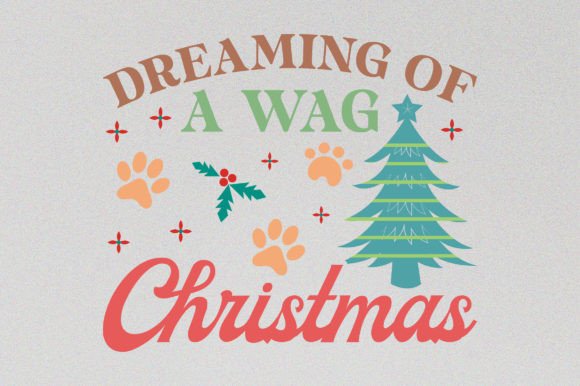
When a design lands on my desk with a name as warm as Dreaming of a Christmas Dog Sublimation, I immediately start picturing it stitched onto canvas totes, cozy sweatshirts, and those kitchen towels people actually hide from visitors until the holidays. Sold as a retro Christmas SVG, the product listing gives you one EPS file—2000 pixels square, Illustrator CC EPS 300. That’s a graphic file, not a pre-digitized embroidery format. So for anyone in the embroidery world, the real question is: does this artwork translate into something you can thread a needle for and sell with confidence? I’ve spent enough hours converting graphics to stitches to give you a practical, no-fluff take.
A Nostalgic Whisper That Feels Like Home
Open the file and you’re instantly met with that fuzzy, mid-century Christmas card feeling. It’s not a loud design. The mood feels like a sleeping hound curled by a crackling fireplace—gentle, inviting, and slightly sentimental. Visually, I expect a relaxed canine silhouette, maybe a Santa hat tilted just so, a few retro stars, and that unmistakable hand-drawn line quality. The Retro Christmas SVG Sublimation Design label tells me the artist aimed for vintage charm rather than hyperrealism, which is a huge plus when you’re thinking embroidery. Soft, simplified shapes with well-defined edges tend to digitize cleanly. Too much photographic detail? That’s a headache for thread. Here, the 2000×2000 px resolution at 300 DPI gives you a roughly 6.7-inch square working area—generous enough for a standout front pocket on a hoodie or a tote bag centerpiece. The file’s EPS nature means it’s a vector masquerading as a raster, so scaling will be smooth if you keep proportions sensible.
From a Pixel Canvas to a Thread Palette
A design this charming doesn’t digitize itself, but the provided EPS gives you an exceptional starting point. I’d pull it into my embroidery software and immediately see the potential for satin stitch outlines that mimic those retro comic-book lines. The solid shapes—a dog’s ear, a holiday wreath—can become smooth fill stitches if you adjust stitch angles to follow the illustration’s flow. Since the artwork is 2000px, edges should be crisp enough for an accurate auto-digitizing pass, though I’d never trust fully automatic conversion. Expect to spend an hour fine-tuning pull compensation, especially around the dog’s eyes or any delicate text elements that might be part of the composition. The retro vibe also means you can lean into a thread palette that feels warm and lived-in: muted brick red, olive green, cream, and a touch of golden yellow. High contrast is your friend here—a dark chocolate-brown outline makes the sleepy expression pop, even on a honey-colored fabric.
Where This Design Really Belongs
I keep coming back to a custom tote bag as the perfect canvas. Picture this: a natural cotton tote, the Dreaming of a Christmas Dog Sublimation design stitched on the front in mid-weight thread, maybe with a tiny embroidered name underneath for a personalized gift. Last December, I ran a similar project for a dog-loving sister—people lit up seeing that familiar shaggy ear translated into fluffy fill stitches. On a tote, the design has room to breathe. A 5×7 hoop accommodates the full 6.7-inch width if you rotate slightly or scale to 90%, which the artwork handles without turning into a blurry mess. Large applique pieces could also work if you want to add texture, cutting the dog’s main body from a soft fleece fabric and stitching around it. The possibilities expand when you move beyond apparel.
- Tote bags and grocery totes: a roomy flat surface lets every detail shine.
- Crewneck sweatshirts: the design feels at home on a front chest placement, snuggled against the ribbing.
- Kitchen towels and tea towels: that retro charm suits farmhouse décor beautifully; just be ready for frequent washing and choose thread accordingly.
- Pillow covers: a 16×16 linen pillowcase with this design centered becomes an instant holiday accent.
- Aprons and aprons half: the playful mood fits a baking-themed gift.
- Quilt blocks or patchwork: the square format of the original file simplifies cutting and piecing templates.
The Stitch-Out Reality Check
No matter how adorable the artwork, real fabric humbles you fast. I’d test this on a mid-weight cotton scrap first, paying attention to three things: stitch density, color contrast on different fabric backgrounds, and small detail survival. The dog’s face—those closed eyes, a little nose—could become a blob if your stitch count is too heavy. I’d drop the density for the fill areas and use a fine 60-weight thread for details. On dark fabrics like charcoal or navy, the retro outlines might fade unless you add a light underlay stitch or switch to a brighter contrasting thread. A quick black-and-white printout of the design helps you judge whether the values hold up without color. If you lose the dog’s expression in gray tones, you’ll lose it in monochrome embroidery too. Also, while the design is full of holiday cheer, avoid piling it onto highly textured fabric like French terry or corduroy—the irregular surface eats intricate satin stitches.
Working With Small Hoops and Tricky Garments
Commercial Eye: What Customers See and Buy
As someone who’s listed handmade embroidered goods on Etsy, I immediately recognize the selling power here. The niche is clear—dog lovers, Christmas fanatics, and vintage decor enthusiasts all collide in one design. You can market it as a personalized gift, a stocking stuffer, or a boutique product line. The fact that the file is provided as an EPS means you’re responsible for creating the machine embroidery design yourself, so you have full control over the final look. That also means you need to check the seller’s terms carefully. The listing says you get an EPS for t-shirt designs, but it doesn’t explicitly state commercial embroidery rights. I always message a store before I invest time digitizing and stitching products for resale. Confirm you can apply it to physical items you sell, and whether credit is required. For a craft business, clarity upfront prevents messy takedowns later.
Quick Embroidery Designer Notes
- Test stitch on scrap that matches your final fabric’s weight and stretch.
- Use a cutaway stabilizer for knits; tear-away for stiffer wovens.
- Print the design at actual size and place it on the product to check placement and scale before hooping.
- Always check thread color against the actual fabric—lighting in your studio can fool the eye.
- For dark fabrics, run a test to see if you need a light underlay or a white outline to lift the design.
- Limit washing tests: turn the stitched item inside out, use a gentle cycle, and air-dry to preserve the retro charm.
- If you sell the finished item, photograph it in natural light so the texture of the stitches and the vintage vibe are obvious to buyers.
The Bottom Line for Makers and Sellers
The Dreaming of a Christmas Dog Sublimation design isn’t an instant-gratification embroidery file—it’s a beautiful creative asset that asks for a little digitizing teamwork. The 2000px EPS supplies clean, scalable artwork that translates wonderfully into stitched goods if you give it reasonable hoop space and thoughtful thread choices. I’d not risk it on a tiny monogram or a heavily textured denim jacket, but on a masterfully prepped tote, an apron, or a throw pillow, it sings. That sleepy retro dog will make people smile, and that’s the kind of buyer engagement that keeps a small shop humming through the holiday rush. Whether you’re an Etsy seller looking to expand your Christmas line or a hobbyist creating a one-off family keepsake, this design earns its place in your digital library. Just keep your seam ripper handy for the first test run—because even the sweetest artwork deserves a little bit of grit before it becomes a gift.