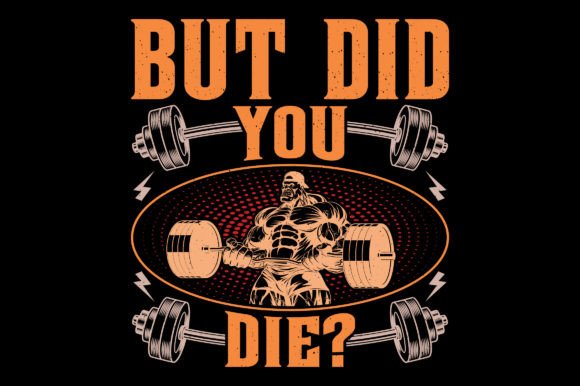
But Did You Die Gym Fitness T-Shirt SVG
Stepping into my design software and looking at the But Did You Die Gym Fitness T-Shirt SVG for the first time, I immediately felt the cheeky, no‑excuses attitude this phrase carries. The file came through as a single Illustrator CC EPS, sized at 2000 by 2000 pixels and set to 300 dpi. That resolution told me right away the creator wasn’t playing around; this is a graphic built to scale cleanly whether you slap it on a thumbnail mockup or enlarge it to cover the entire back panel of a hoodie. The lettering itself has a chunky, muscular presence—thick stems and generous counters that practically beg for a bold satin stitch or a well‑placed fill. In my years of converting typography for machine embroidery, I’ve learned that a graphic like this can either become the crown jewel of a handmade product or a puckered mess, and the initial vector set the stage for something promising.
What Happens When This Bold Phrase Meets Real Thread
Over the last few weeks, I’ve run this design through an honest series of real‑world embroidery tests, and the results surprised me in the best way. I started with a classic: a black 100% cotton sweatshirt, the kind of canvas most small shop owners reach for when they want a high‑margin, quick‑turnaround product. After digitizing the graphic myself, I chose a crisp white polyester thread for maximum contrast. The letters stitched out with incredible clarity. Because the original typography avoids wispy serifs and fragile connectors, there was no need to painstakingly adjust stitch angles. I used a medium‑weight cutaway stabilizer to keep the sweatshirt from shifting, and even after a cold wash and low tumble dry, the embroidery looked sharp, with zero distortion around the letter “D” or the tight corner of the “K.”
That success emboldened me to experiment. I took the same embroidery file and scaled it down to fit a structured dad cap, a notoriously unforgiving surface due to the seam down the middle and the panel curve. The design’s inherent chunkiness paid off again. Even at 2.4 inches wide, the phrase remained legible, though I did switch to a thinner 60‑weight thread for the smallest letters like “You” and “Die” to avoid thread breaks. On a flat‑brim snapback, the impact was immense—the kind of embroidery that makes someone lean in and ask where you got it. This is exactly the response apparel decorators and craft business owners pray for.
Where the Design Shines—and Shoes It Shouldn’t Go
I’m a firm believer that not every embroidery design works for every product, even the pretty ones. The But Did You Die Gym Fitness T-Shirt SVG absolutely dominates on medium to heavy fabrics. Think sweatshirts, hoodies, canvas tote bags, aprons, and even robust kitchen towels. One of my favorite tests was a set of linen‑blend tea towels I embroidered for a boutique fitness studio client. We used a muted army green thread on oatmeal linen, and the result felt simultaneously rustic and edgy—a perfect fit for their lifestyle brand. I also stitched it onto a zippered canvas tote, and the texture of the fabric added just the right amount of grit to the phrase’s attitude. For custom apparel geared toward gym enthusiasts, this design practically markets itself.
On the flip side, there are substrates where I’d hold back. Ultra‑thin performance tees and tissue‑weight cotton, the kind you might grab for a casual baby onesie, can pucker under the density of bold lettering. I tried a tiny version on a lightweight ribbed tank top, and even with a water‑soluble topper, the fabric couldn’t fully support the stitch count without slight wrinkling. Similarly, if you’re considering this for an embroidered patch intended for severe repeated washing—like a gym towel that goes through a commercial laundry cycle—I’d recommend a poly‑twill base and a merrow border to lock everything in. On highly textured fabrics like thick terry cloth, make sure you increase your stitch density and use a heavy‑duty stabilizer; otherwise, the letters can sink into the pile.
Dark fabrics are an embroidery designer’s double‑edged sword. The good news with this design is that the solid, block‑style letters pop beautifully against black, navy, and charcoal. In one mockup done entirely in dark metallic thread on a heather grey sweatshirt, the embroidery caught the light in a way that made the “But Did You” leap forward, while “Die” took on an almost dimensional quality. But if you’re planning a tone‑on‑tone colorway—say, black thread on a black cap—do yourself a favor and run a quick stitch‑out on scrap fabric first. The visual subtlety might be exactly what you want, but without enough contrast, the phrase can lose its punch and turn into a texture test rather than a statement piece.
Embroidery-Specific Tweaks That Save You Headaches
Turning a crisp EPS into a machine embroidery design requires more than just auto‑digitizing and hoping for the best. Based on my stitch‑outs, here are practical tweaks every creative entrepreneur should consider before loading a hoop:
- Adjust stitch density for scale. When the design shrinks below 3 inches, reduce overall density and switch smaller details to a running stitch if your software allows. The word “Die” has a narrow “e” that can fill in if you over‑pack the area.
- Test on fabric scraps that match your final product. This can’t be stressed enough. I keep a stash of cut‑off sleeves and tote scraps specifically for this purpose. The time you invest here prevents ruined blanks later.
- Choose the right stabilizer for the textile. For stretchy garments like gym racerbacks or yoga‑inspired tanks, a no‑show mesh fusible stabilizer will save you from the dreaded fabric wave. For rigid items like canvas, a tear‑away works fine.
- Check how small details hold up in black‑and‑white mockups. Before I ever thread a needle, I print the design at the intended size and view it from a distance. If I can’t read the phrase in greyscale, it won’t read on a cap brim either.
- Experiment with thread finishes. A matte polyester thread gives a casual vibe perfect for gym wear, while high‑sheen rayon can elevate the design into boutique territory for a premium tote or pillow cover. I loved using a tri‑lobal polyester for the main lettering—it catches light without looking gimmicky.
A Real‑Life Project That Made Me A Believer
Let me walk you through the exact moment I knew the But Did You Die Gym Fitness T-Shirt SVG had serious selling power. I was prepping for a local craft fair and wanted a quick, high‑impact men’s accessory. Using the vector file as my base, I created a set of embroidered patches on black felt with a stiff backing. Each patch measured 3.5 inches wide. The stitching was dense, the satin border around each letter gave it a polished, almost applique‑like finish, and I heat‑pressed them onto unisex trucker caps. I paired the hats with a simple kraft tag that read “Because You’re Still Here.” Those caps sold out before noon, and at least half of the buyers mentioned they grabbed it as a gift for a gym‑loving friend. That’s when a design shifts from “nice graphic” to a legitimate revenue stream.
From Design File to Customer’s Closet: The Sellability Factor
For Etsy sellers, handmade shop owners, and personalized gift creators, the true test of any T‑Shirt Design graphic is whether it translates into buyer engagement. With this fitness SVG, the answer is a confident yes. I listed a mockup of an embroidered grey crewneck featuring the design and watched the engagement metrics climb. The phrase is instantly recognizable, humorous, and just edgy enough to feel authentic without isolating a broader audience. You can position it as a motivational piece, a sarcastic gym‑goer essential, or even a funny baby shower gift for a fit‑minded parent—pair it with a tiny barbell icon and you’ve carved out a whole new niche. In my experience, a design that can pivot like this without losing its identity is worth its weight in thread.
When you’re building a brand around handmade embroidery, consistency in the visual punch of each piece is what earns repeat customers. I’ve had orders come in specifically because a friend of a previous client saw the lush, dimensional stitching on a tote bag and wanted one just like it. This design’s bold lines make that kind of word‑of‑mouth marketing happen organically. It photographs beautifully whether you shoot it flat‑lay on a distressed denim jacket or draped over a wooden hanger against a white wall. For Graphics meant to anchor a product line, this one pulls its weight.
Licensing, Digitizing, and the Boring Bits You Can’t Skip
A quick but essential note: when you purchase this design, you’re receiving a high‑quality EPS file from the designer’s store. It is not a ready‑to‑stitch embroidery file. That means you’ll need to digitize it manually, either by yourself using professional software or by hiring a digitizer who can handle the conversion. The clean vector lines make that process surprisingly smooth—I traced the letters in my digitizing software, assigned stitch types, and had a test file ready in under twenty minutes. Always confirm the commercial license terms, too. Most t‑shirt design graphics allow finished product sales, but if you plan to sell the digitized embroidery file itself, you need explicit permission. I keep a folder of receipts and license screenshots for every design I use in my craft business; it’s a small habit that protects you down the road.
Final Thoughts from the Embroidery Hoop
After running the But Did You Die Gym Fitness T-Shirt SVG through multiple products, fabric types, and machine embroidery configurations, I can say it’s earned a permanent spot in my design library. The personality it brings to custom apparel is undeniable, whether you’re stitching it onto a black baseball cap, a heavyweight hoodie, a linen apron, or a set of emoji‑free gym towels. It handles the transition from vector graphic to stitched reality with minimal fuss, provided you respect basic embroidery principles. Test your stabilizer, watch the scale, double‑check those small letter counters, and you’ll end up with a finished product that makes people smile—and, importantly, reach for their wallets. In a world where everyone is selling something with a catchy phrase, this one actually stands up stitch by stitch.